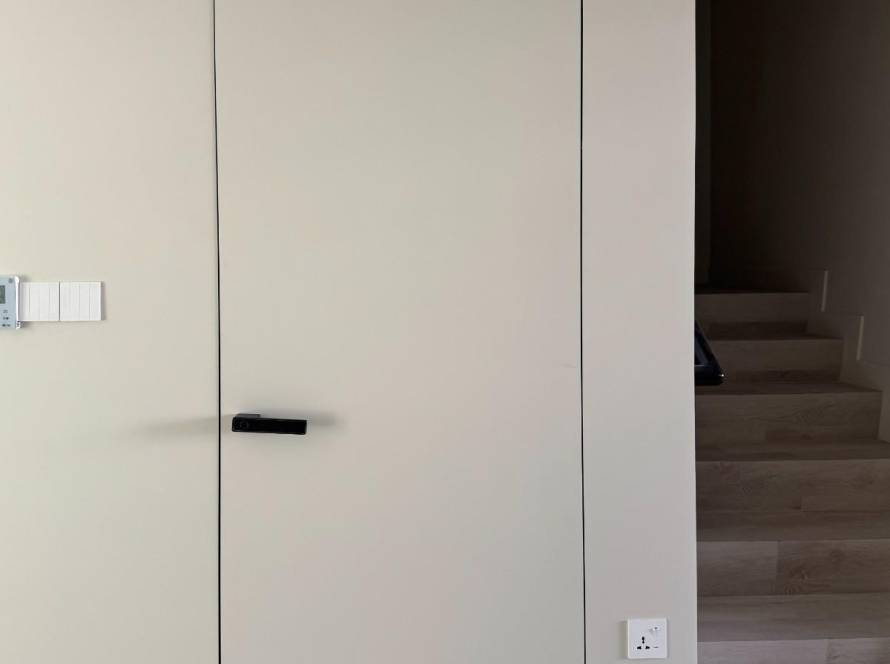


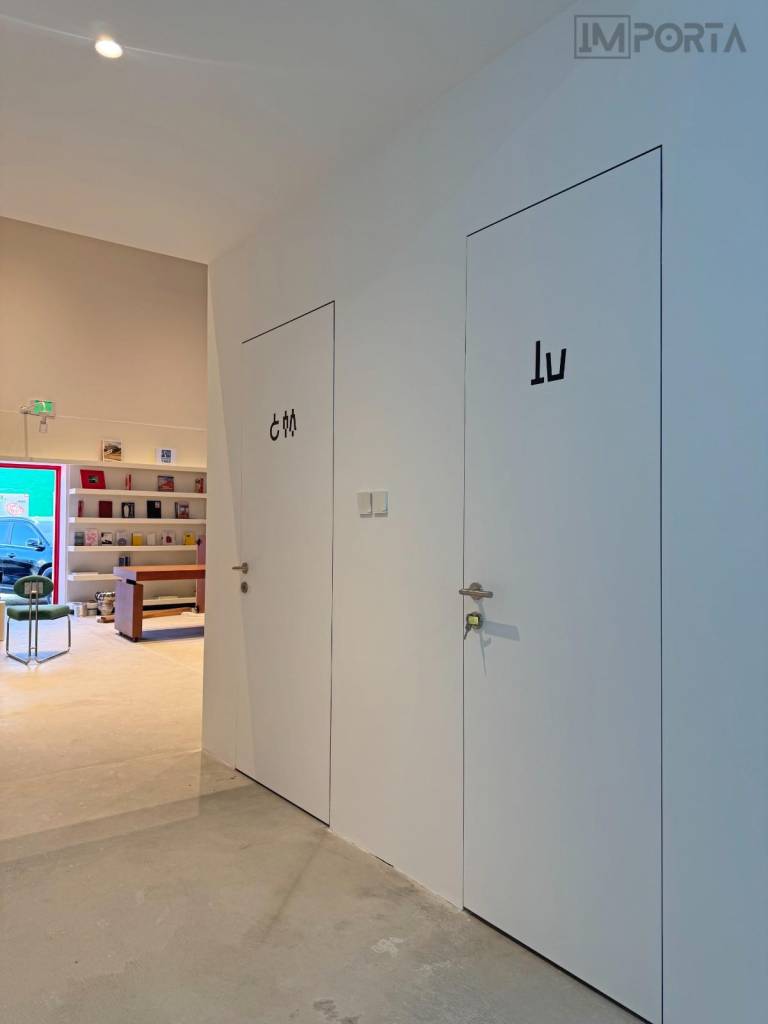
Flush-to-wall interiors have become a defining characteristic of contemporary architecture, especially in the UAE’s evolving residential and commercial landscape. What was once considered a refined design detail is now a core architectural principle—one that influences how spaces feel, function, and age over time.
This internal guide explains what flush-to-wall interiors truly involve, why they matter beyond aesthetics, and how architects, designers, contractors, and homeowners can implement them correctly for long-term success.
What Are Flush to Wall Interiors?
Direct answer
Flush to wall interiors are spaces where architectural elements align seamlessly with wall surfaces, creating continuous, uninterrupted planes.
Detailed explanation
In a flush-to-wall design, elements such as doors, frames, skirting, and access panels are integrated into the wall plane rather than sitting on top of it. There are no visible trims, bulky frames, or protruding edges.
The goal is not to hide functionality, but to integrate it quietly into the architecture so the space feels intentional and refined.
Why Flush to Wall Design Matters in Modern Architecture
Direct answer
Because modern architecture prioritizes clarity, proportion, and spatial flow.
Detailed explanation
Contemporary design has shifted away from decorative layering toward architectural simplicity. Instead of adding elements, designers focus on how surfaces connect and align.
Flush to wall interiors support this shift by:
Reducing visual interruptions
Strengthening architectural lines
Allowing materials and proportions to take the lead
In the UAE, where modern villas and premium apartments often feature large wall surfaces and high ceilings, flush detailing has become essential—not optional.
How Flush to Wall Interiors Change the Experience of a Space
1. Spaces Feel Calmer and More Balanced
When walls are uninterrupted, the eye moves naturally across the space. This reduces visual stress and creates a sense of calm, which is especially valuable in homes and workplaces.
2. Interiors Appear More Spacious
Continuous surfaces make rooms feel larger and more open, even when the actual dimensions remain unchanged.
3. Design Feels More Intentional
Flush alignment communicates precision. It signals that the space has been designed holistically, not assembled from standard components.
The Critical Role of Doors in Flush to Wall Design
Direct answer
Doors determine whether flush to wall interiors succeed or fail.
Detailed explanation
Walls are easy to make flush. Doors are not.
Doors must open, close, and remain aligned over time—all while appearing invisible when closed. This requires:
Concealed frames
Precise installation
Specialized hardware
Early coordination with wall construction
In many UAE projects, flush interiors fail not because of poor design intent, but because doors were treated as standard elements rather than architectural components.
Why Flush-to-Wall Requires System Thinking
Direct answer
Because individual components cannot deliver seamless results on their own.
Detailed explanation
Flush to wall interiors depend on multiple elements working together:
Frame material
Wall finish
Door leaf construction
Hinges and locking mechanisms
Installation accuracy
System-based solutions—such as aluminum concealed frame systems used by manufacturers like Importa—address these elements as a single integrated system. This reduces risk, improves consistency, and ensures long-term performance.
Material Considerations in the UAE Climate
Direct answer
Material movement becomes more visible in flush designs.
Detailed explanation
In the UAE’s hot and humid environment, materials expand and contract. In flush-to-wall interiors, even minor movement can result in:
Hairline cracks
Misaligned doors
Uneven shadow gaps
Traditional materials like MDF or timber frames often struggle under these conditions. Aluminum frames, by contrast, offer:
Dimensional stability
Resistance to moisture and heat
Long-term alignment
This is why aluminum concealed frames are increasingly specified for flush interiors across the GCC.
Where Flush-to-Wall Design Works Best
Residential Villas
Flush doors allow feature walls, stone finishes, and tall proportions to remain uninterrupted—especially in corridors and living areas.
Apartments
In smaller layouts, flush design minimizes clutter and improves visual flow between rooms.
Offices and Workspaces
Flush interiors support clean branding, professional aesthetics, and discreet functionality.
Hospitality Projects
Hotels and serviced residences benefit from flush detailing that feels timeless and easy to maintain.
Practical Guidelines for Successful Flush-to-Wall Interiors
Plan from the beginning
Flush systems must be coordinated during the design and shell stages—not after finishes are decided.
Align doors with architectural logic
Door heights should relate to ceiling lines, shadow gaps, or wall modules for visual consistency.
Choose appropriate hardware
Concealed hinges and magnetic locking mechanisms are crucial to preserve flush alignment and silent operation.
Work with experienced installers
Flush detailing leaves no room for error. Precision installation is critical.
Common Mistakes to Avoid
Mistake 1: Treating flush design as a surface detail
Flush to wall is an architectural decision that affects structure, materials, and sequencing.
Mistake 2: Using standard frames in flush applications
Traditional frames often lead to cracks and misalignment over time.
Mistake 3: Late-stage changes
Introducing flush elements late in construction almost always results in compromises.
Mistake 4: Ignoring long-term behavior
Flush interiors must perform well not just on handover day, but years later.
Why Flush-to-Wall Interiors Are Becoming the Norm
Flush to wall design reflects a broader evolution in architecture:
From decoration to structure
From visible components to integrated systems
From short-term appearance to long-term quality
As clients in the UAE become more design-aware, expectations have changed. Clean walls, aligned openings, and concealed solutions are now seen as indicators of quality craftsmanship and thoughtful design.
Local manufacturers like Importa, with system-based aluminum solutions and regional expertise, have made flush-to-wall interiors more reliable and achievable across residential and commercial projects.
Final Thoughts
Flush to wall interiors are successful when they feel effortless—but achieving that effortlessness requires planning, precision, and the right systems.
In modern UAE architecture, flush design is no longer a trend. It is a response to how people want to live and work: in spaces that feel calm, intentional, and enduring.
When walls, doors, and details align seamlessly, architecture fades into the background—and the space itself takes center stage.